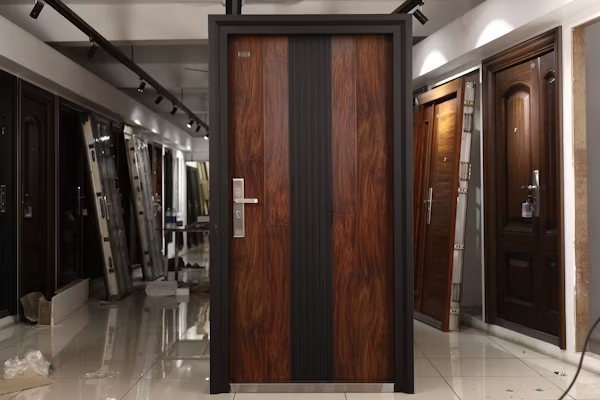
Installing custom wood doors is a significant upgrade that can enhance the appearance, security, and functionality of any property. Unlike standard pre-made doors, custom designs are built to precise specifications, making the installation process an important step in ensuring perfect fit and long-term performance.
While professionals often handle this task, understanding how the process works can help homeowners prepare and ensure everything runs smoothly from start to finish.
1. Pre-Installation Inspection and Measurements
Before installing custom wood doors, a thorough inspection of the door opening is essential. Professionals measure the height, width, and depth of the entryway to confirm that the door will fit perfectly.
They also check the condition of the door frame for any warping, rot, or structural damage. Addressing these issues beforehand prevents complications during installation and ensures the door will function correctly.
2. Preparing the Door Opening
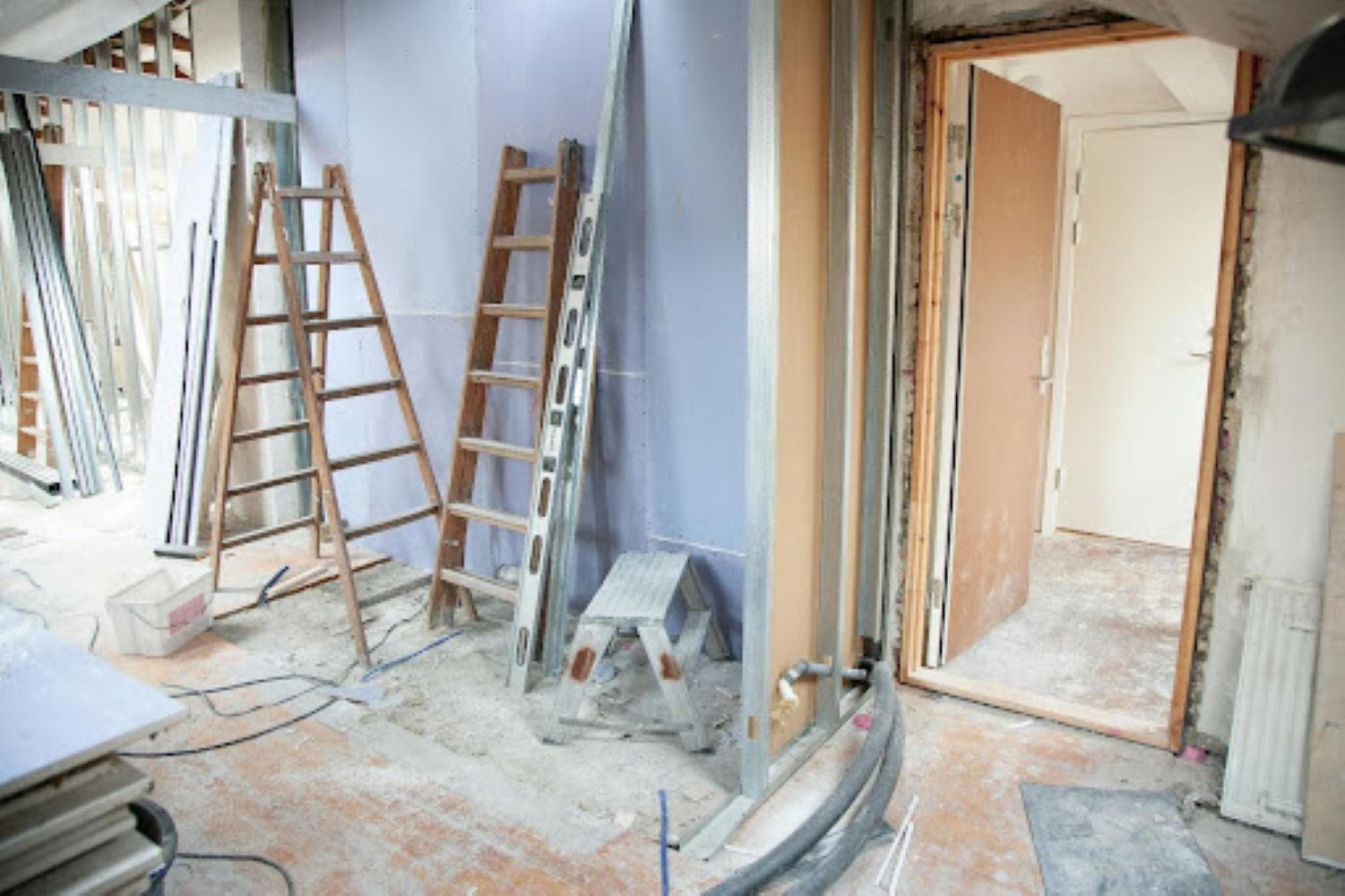
Once measurements are confirmed, the next step is preparing the opening. This includes removing the old door and cleaning the surrounding area of debris, paint, and nails. The frame must be level and solid to support the new door properly.
If adjustments are needed, shims may be added to correct uneven surfaces. A well-prepared opening is vital for achieving a secure and seamless installation.
3. Fitting and Aligning the Door
The fitting process involves placing the door into position and checking its alignment. Installers use levels and measuring tools to ensure the door sits square in the frame.
Proper alignment is critical because even small errors can lead to issues such as uneven gaps, difficulty closing, or long-term wear on hinges. Taking time during this step guarantees that the door operates smoothly and looks visually balanced.
4. Securing the Door Frame
After positioning the door, it is secured using screws or nails to fix it firmly into the structure. The frame must be anchored properly to maintain stability and protect against movement.
Installers typically check alignment again after fastening, as even minor shifts can occur during this phase. A well-secured frame improves durability and enhances the overall life expectancy of custom wood doors.
5. Installing Hardware and Seals
With the door in place, attention turns to hardware installation. Hinges, handles, locks, and latches are fitted and tested for proper function.
Weather stripping and seals are added to prevent drafts, moisture, and noise from entering the home. These elements not only improve comfort but also contribute to energy efficiency and security.
6. Final Adjustments and Finishing Touches
The final stage includes checking door movement, confirming latch alignment, and ensuring smooth opening and closing. Minor adjustments may be made to correct positioning or reduce friction.
If required, finishing treatments such as stain or protective coatings may be applied. This step ensures that the door not only functions well but also complements the surrounding design.
Conclusion
The installation process for custom wood doors requires careful planning, precision, and expert handling. From measuring and preparation to alignment and finishing, each step plays an important role in achieving the best results.
A properly installed door enhances aesthetics, security, and durability, making the investment worthwhile. By understanding the process, homeowners can confidently prepare for installation and enjoy the long-lasting benefits of their custom wood doors.