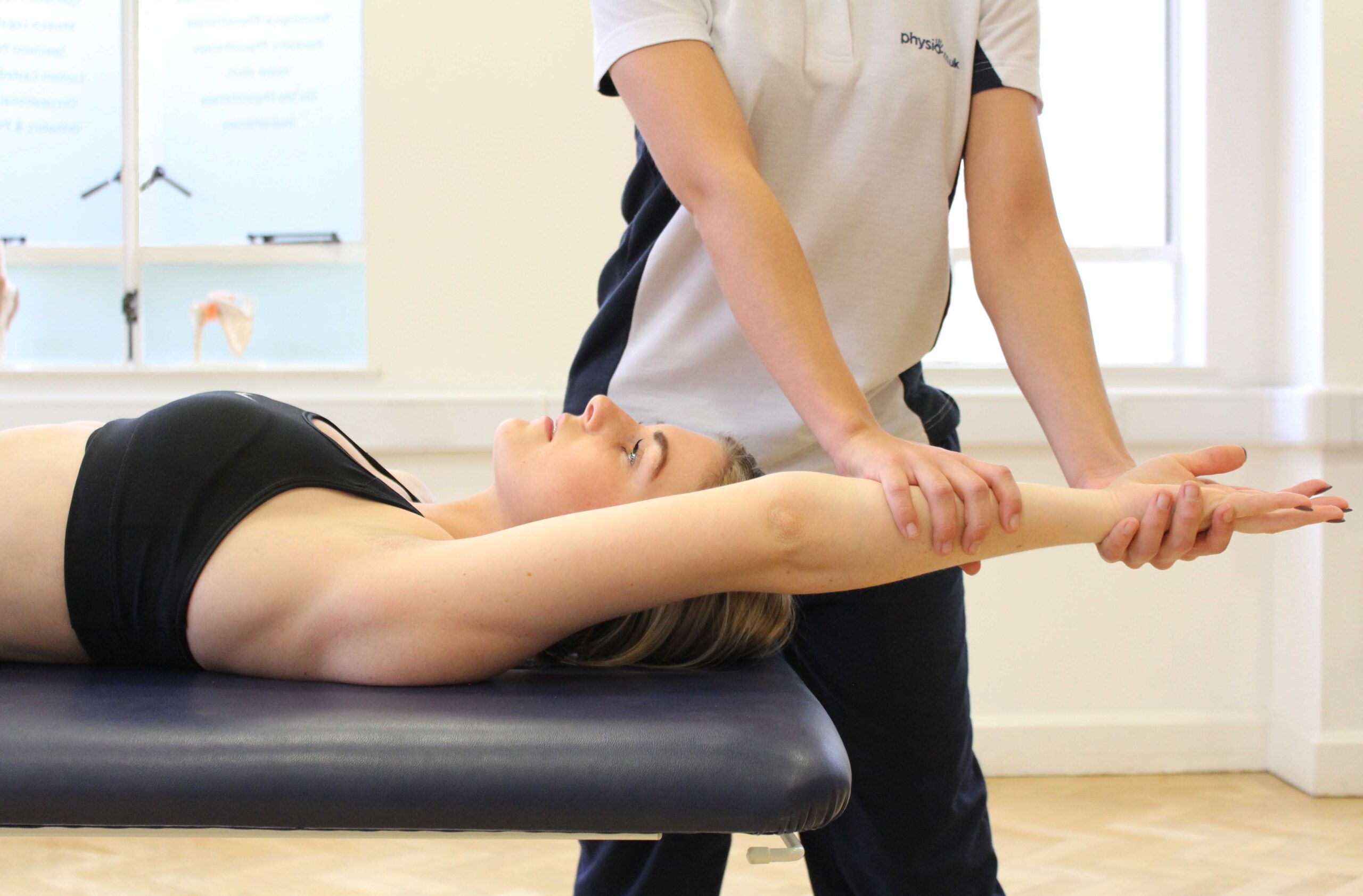

If you’re suffering from an injury that is acute or post-surgery rehab, or an ongoing condition that affects physical performance Physical therapy can get you back on the right track and feeling better.
We’ll take you on an in-depth look at the advantages of physical therapy, and offer some helpful tips for making the most of your sessions.
Is Physical Therapy a form of Treatment?
The practice of physical therapy can be described as a kind of rehabilitation care that is focused on the diagnosis and treatment of injuries, acute and chronic ailments, as well as movement disorders. In many instances, it is regarded as an alternative to treating musculoskeletal issues of various kinds.
- Physical therapy is a profession of health professionalswhot employ specific techniques and treatments to help restore mobility, increase the range of motion, lessen discomfort, and improve physical performance.
- Based on the American Physical Therapy Association (APTA) A physical therapist can treat and diagnose conditions that can affect the muscles and joints.
- Physical therapists, in particular, are certified to work with patients of all ages using prescribed exercises and manual therapy, as well as patient education.
- The goal of physical therapy is to help increase or restore strength, mobility, as well as flexibility, performance, and quality of living. It is also designed to reduce the pain and avoid further injuries.
- Physical therapy may be found within outpatient hospitals, clinics,s and rehab centers, rs assisted living facilities, schools, nursing homes,mes fitness and sports facilities, and occupational environments.
7 advantages of Physical Therapy, backed by scientific Research
It is possible to find countless reasons to use PT, for example, such as the management of pain and injury prevention, injury rehabilitation, improved mobility, and treatment of chronic illnesses. In particular, the benefits of physical therapy are backed by research.
1. Rehabilitation from an Injury Resulting from Sports
- Most sports-related injuries do not require surgery. To prevent further injury, it is necessary to have targeted treatments that reduce the pain, improve the area o,f injury and assist you in getting back into competition.
- The National Institute for Arthritis, Musculoskeletal and Skin Disease,
- Treatment for a more serious injury in sports might require physical therapy, rehabilitation, or a fitting cast, brace, or splint.
- Physical therapists can create an action plan that helps rebuild the injured region’s range of movement and strength. It could involve targeted exercises, massage therapy, water therapy,y ultrasound, heating, ng and cold therapy to strengthen joints and muscles, and to help prevent injury.
2. Reduce the Pain
- Certain pains require prescription medication or surgery to relieve, while others could benefit from physical therapy and exercises. The majority of acute pains have an established cause and begin abruptly. But it usually gets better over time, with treatment and healing.
- Chronic pain On the other hand, is more than 3 months and is usually a result of an injury, a disease, an inflammation, or a medical procedure, or, in rare cases, there is a reason that is not known. Opioids, along with other powerful drugs, are commonly prescribed to treat pain.
- However, recently it was suggested by the Centers for Disease Control and Prevention (CDC) that physical therapy is a feasible method of managing paininstead off opioids.
- Techniques of physical therapy employed to alleviate chronic and acute pain are stretching exercises for therapeutic purposes, ultrasound, electrical stimulation, tapping, cold and heat therapy, and massage.
3. Help with Neurological Disorders
- The use of physical therapy can alleviate symptoms caused by neurological diseases like multiple sclerosis, stroke, Parkinson’s disease, and other issues associated with injury to the spinal cord. It was found that 4 weeks of gait exercise, as well as 8 weeks of balance exercises, could have beneficial results that last from three to 12 months after the sessions concluded.
- In particular, the researchers observed the reduction in falls over up to 12 months, and improvements in gait speed and walking endurance for up to 6 weeks after completing the exercise.
- Physical therapists can assist in managing symptoms for those suffering from multiple sclerosis. Based on the National Multiple Sclerosis Society, the most common symptoms that physical therapy can aid with are coordination, balance, weakness, spasticity, flexibility and flexibility, endurance,d fatigue, and breathing function.
- The physical therapy services offered in hospitals aid inthe rehabilitation of a spinal injury or stroke treatment before leaving the hospital, says Johns Hopkins Medicine.
4. Reduce the Symptoms associated with Arthritis
- Joint irritation, tenderness, pain, as well as stiffness and swelling are debilitating signs caused by Rheumatoid Arthritis as well as osteoarthritis. But physical therapy could aid in reducing the severity of symptoms and improving general health.
- According to the Arthritis Foundation, physical therapy can aid in improving mobility and improving the function of joints that are affected, as well as improving overall strength, keeping joints in place, and maintaining fitness levels.
5. Reduce the risk of complications arising from pelvic floor problems
- Birth and pregnancy can be a burden on the pelvic floor muscles. Menopausal changes, abdominal surgery, or other issues that can alter the intra-abdominal pressure or the tension of your abdominal muscles of the pelvic floor.
- If the damage is serious, the pelvic floor muscles become weaker and are unable to help support pelvic organs. This can lead to leading to urinary leakage, low back pain, sexual dysfunction, prolapse,e, and pelvic pressure.
- Pelvic floor issues can hinder your daily routine. It is good to know that it is possible to treat pelvic floor dysfunction with physical therapy, py also known as P, which can aid in reducing the symptoms. According to a study from 2019, PFPT as a treatment for pelvic floor problems has obvious benefits as a primary treatment for pelvic floor issues.
6. Reduce the time Required for Recovery Post-Surgery
- Your physician may suggest physical therapy in the days after surgery. The severity of the surgery, the injury, and general health, treatment could take anywhere from a few weeks to a few months.
- Orthopedic physical therapy is a method to enhance mobility, decrease discomfort, reduce scar tissue growth, and restore normal function following musculoskeletal surgery.
- For instance, the American Academy of Orthopaedic Surgeons (AAOS) suggests physical therapy to aid in the full recovery after surgery, regain strength, and permitan gradual return to daily activities.
- Additionally, several studies have proven that early mobilization and therapy for seriously ill patients who were admitted to hospitals resulted in better health, better chances of walking for longer distances, and better muscle performance after discharge.
7. Control the Pain
- Researchers are studying the relationship between physical therapy to reduction in the use of opioids by those suffering from chronic pain.
- One of the largest studies looked at patients who had a new onset of chronic low back pain. The study discovered that early interventions in physical therapy reduced the use of opioids in the short-term and over the long-term.
- Another study that also investigated the use of physical therapy in chronic back painthe results showed that opioids were prescribed less frequently in follow-up visits to healthcare in cases where patients had been referred and engaged with physical therapy.
Strategies to get the Most Benefit from Physical Therapy
Physical therapy is beneficial in treating a wide range of chronic and acute illnesses. But both the therapist and patient must cooperatefor the best results. Here are five suggestions to assist you in getting the most benefit from physical therapy.
Engage in a Proactive Role
Being involvedino your care is crucial. If you can, select an acupuncturist who best meets your requirements. You should then attend your first appointment armed with documents or notes from your physician or other healthcare experts. It’s recommended that you bring along a checklist of any questions or goals you’ve set to be treated.
Ask Questions
Your physical therapist is here to assist you. A large part of the process is patient education, and being able to answer any questions. This can include questions regarding the length of treatment, the number of sessions per week or month, and what you can expect when you visit and after the treatment has ended.
Do your Homework
Physical therapists often provide at-home exercises that you can do in between sessions. The exercises designed for you are intended to complement the exercises you perform during sessions. Doing the exercises at home helps by ensuring consistency and repetition. This also allows the physical therapist to observe how you are progressingonn your own.
Talk to
The team of physical therapists will help you improve. To ensure success, they will require you to be truthful during and between appointments.
What does this imply for you? Talk to your doctor if you are experiencing discomfort or pain while doing the exercise you are doing. Inform your doctor if something isn’t working. They can then use this information to alter your routine of exercise or modify the methods of physical therapy employed.
Follow the Instructions of the Physical Therapist.
You must pay attention to the guidance and advice the physical therapist gives. If they recommend you not engage in certain activities and activities, it’s best to follow their advice.
If you’re in a hurry to resume exercise or play, be patient until you’ve been given the green signal. Your therapist will know the best way to take care of your injury and the best time to let you go back into activities.
The Bottom Line
- Physical therapy offers many advantages, such as increasing physical mobility, rehabilitation, and preventing future injuries. It also helps reduce discomfort or other signs caused by an injury that is chronic or acute or ailment.
- Your physician or another health professional may write an appointment for physical therapy. You may also be able to self-refer according to your insurance.
- Once you’ve established a relationship working with your physical therapist, ensure that you inquire about your concerns and give feedback when something isn’t working. It is also crucial to adhere to the treatment program, especially between sessions.
- Through open dialog, active involvement, and participation, you’ll certainly enjoy the benefits of physical therapy.